

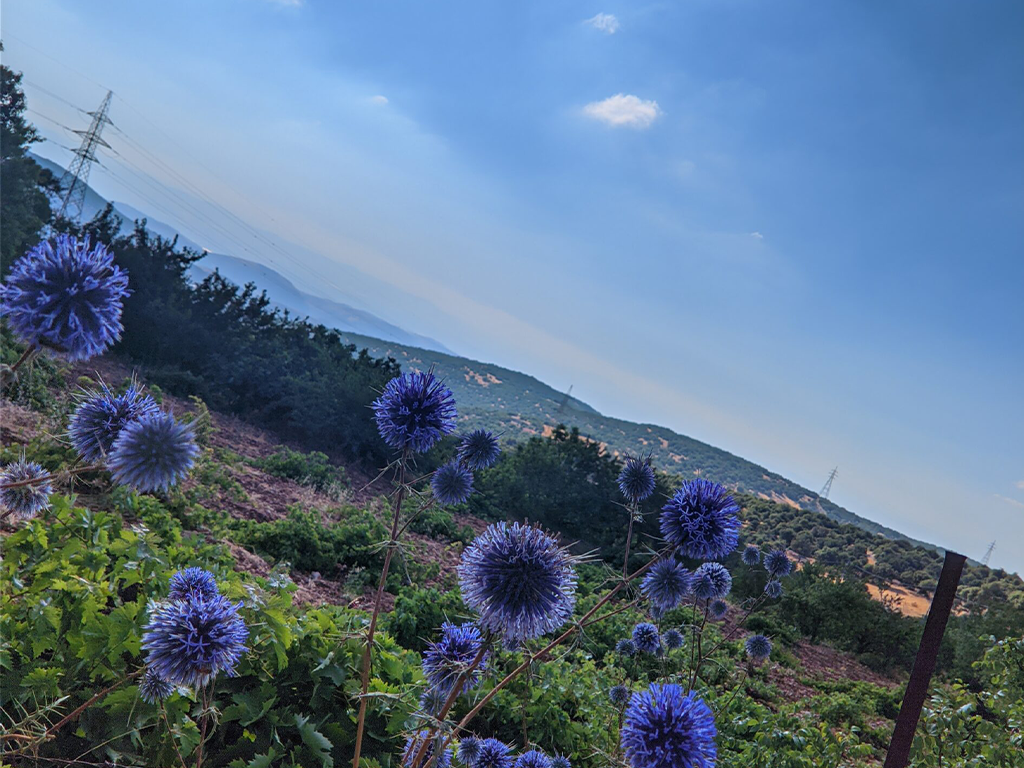
Jordan’s Ajloun Governorate is located approximately 76 kilometers north of the capital, Amman. It sits atop green hills ranging from 600 to 1,250 meters above sea level, forming a natural gateway to the country’s north. Its unique topography and climate make Ajloun one of Jordan’s richest areas in terms of vegetation and natural forests. However, the governorate is facing a crisis: unregulated and haphazard urban expansion and encroachment on the edges of natural forests is shrinking green spaces and threatening the future of biodiversity in one of northern Jordan’s richest ecological areas. The situation calls for an urgent, smart, and practical solution that seeks not only to mitigate the current impacts but also to improve the future of urban planning and prevent further environmental degradation.
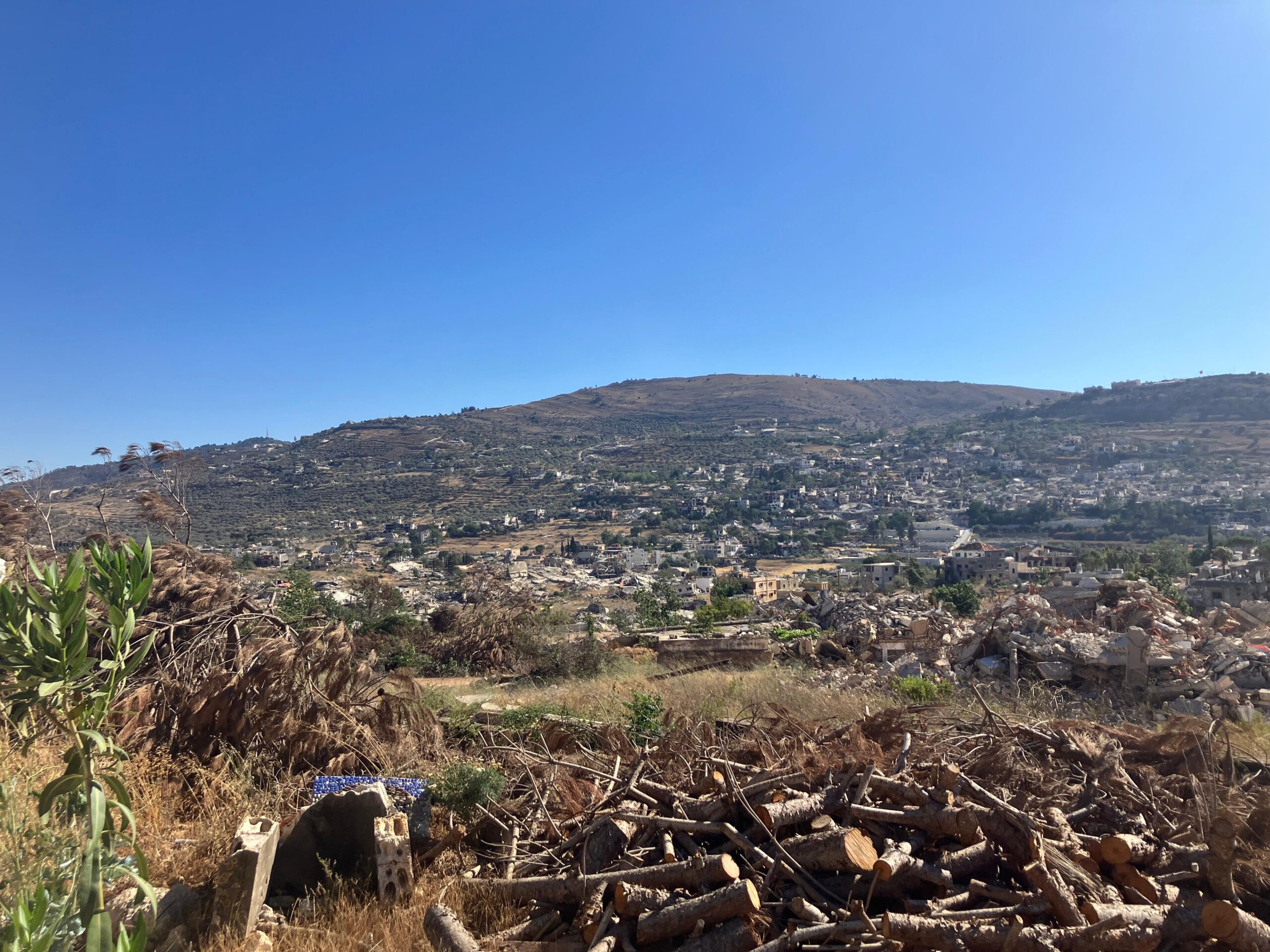
In the aftermath of the 2024 full-scale Israeli war on Lebanon, individuals and initiatives are leading the rehabilitation of the agricultural sector by tackling the toxic contamination and its impact on the environment and human health. The agricultural sector in Lebanon has been significantly devastated by the 2023-2024 Israeli war. The Food and Agriculture Organization of the United Nations (FAO) estimates $118 million in damages and up to $586 million in losses, with South Lebanon and the Bekaa Valley being the most impacted.

Urban sprawl in a small country like Lebanon poses serious challenges to both the environment and the economy. These challenges manifest in various ways, including the alteration of natural landscapes, the depletion of natural resources, and considerable financial losses, as evidenced by the issue of quarry damage. Limestone, sandstone, and other sedimentary rocks are among Lebanon’s most abundant natural resources, making the country a significant source of raw materials for the construction sector. The environmental consequences of quarrying have been exacerbated by decades of war and political instability across the Levant, leaving a deep and lasting impact on Lebanon’s ecological and socio-economic fabric.
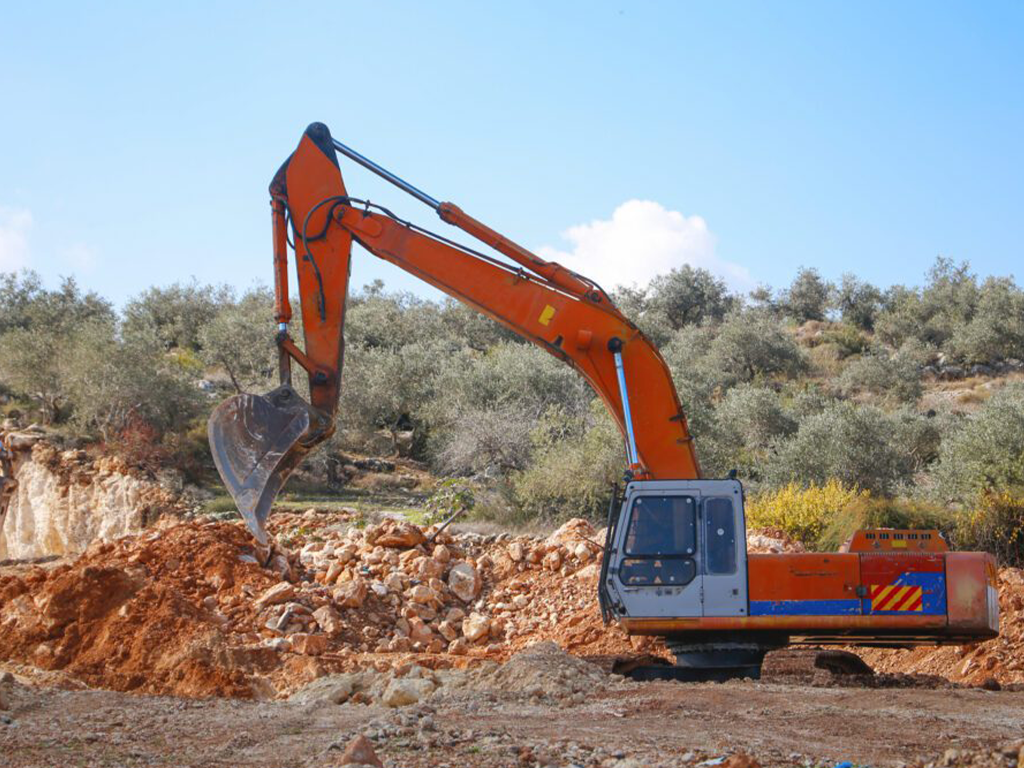
The stone and marble industry is one of the most important economic sectors in Palestine, representing a pivotal component of the gross domestic product and accounting for approximately a quarter of industrial revenue in the West Bank. However, the stone industry in Palestine cannot be understood solely through an economic or environmental lens. It must be analysed within the framework of a colonial system designed to control resources and obstruct Palestinian self-determination and development.