

Environmental and Socio-Economic Concerns In Syria
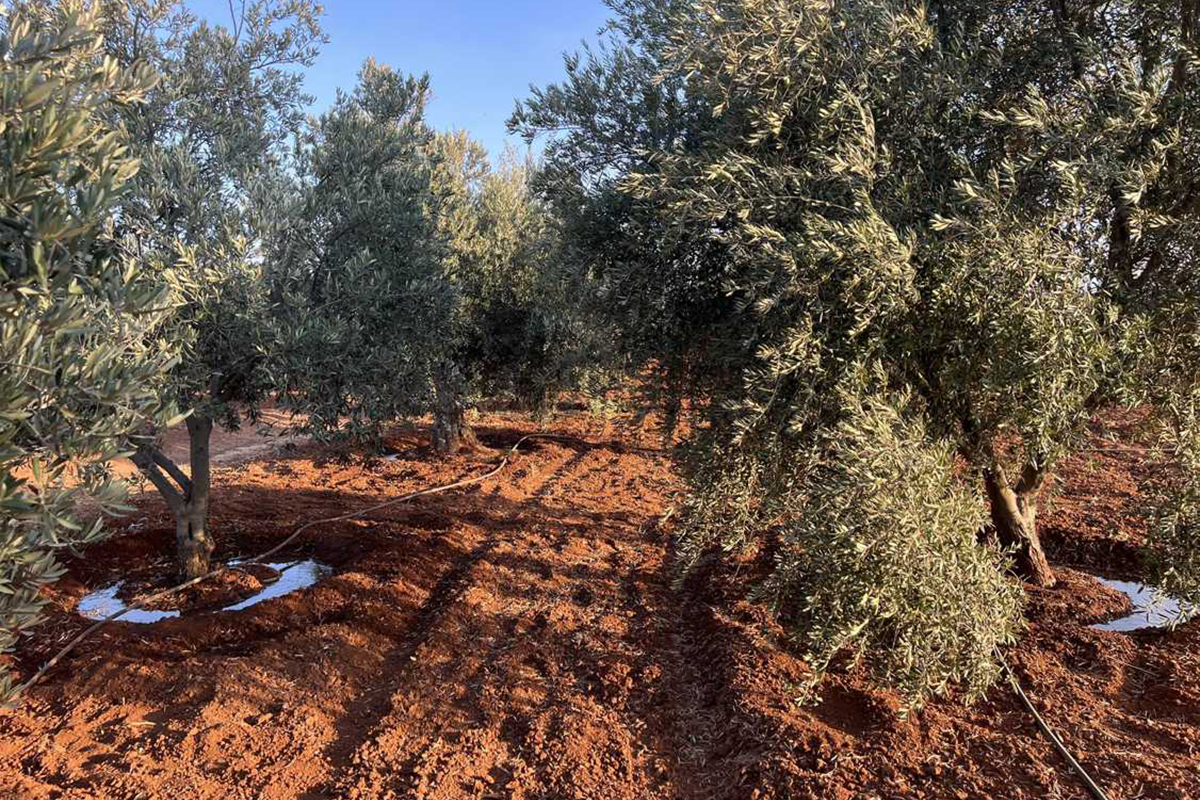
Syria is experiencing its worst drought in six decades, severely reducing olive yields across the country this year. In southern Daraa province, the 2025 olive harvest plunged roughly 68 % compared with 2024 and 86 % compared with 2011 levels, devastating local farmers. The sharp decline underscores the growing impact of climate stress on agriculture and rural livelihoods in the region.
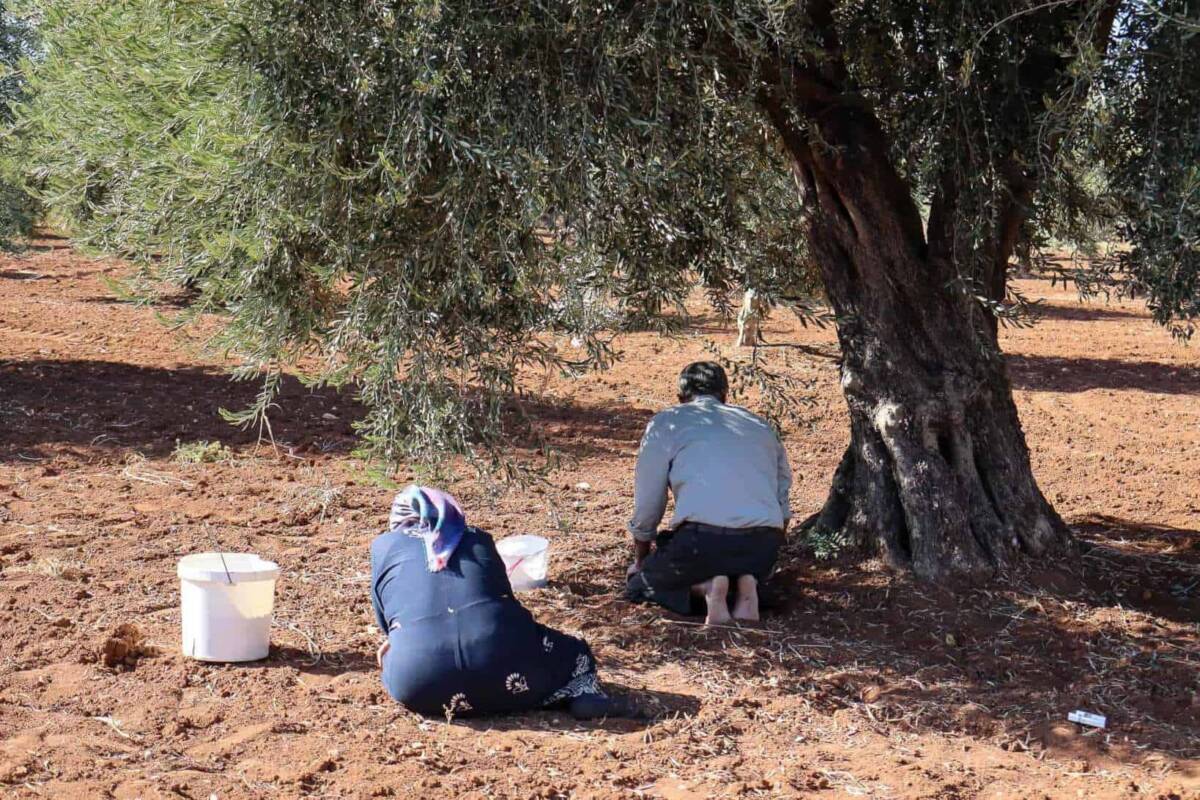
The olive harvest has begun in Syria’s Kurdish-majority Afrin region despite drought and reduced yields, with farmers returning to the groves this season. While residents report fewer direct violations than in previous years, many remain cautious and concerned about the area’s new authorities and ongoing challenges. Long-term impacts from conflict and climate stress have significantly reduced harvests compared with pre-war levels, underscoring economic and social strain on local communities.
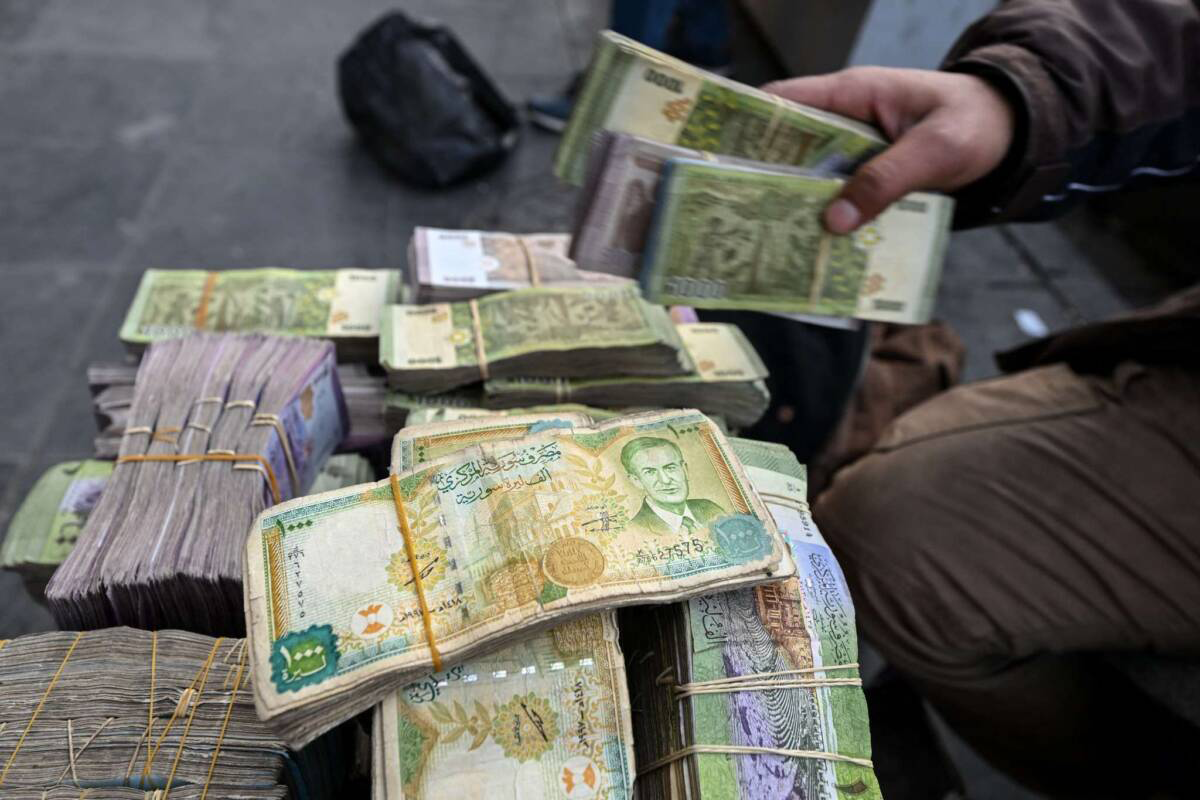
Syria’s authorities are considering removing zeros from the national currency in an effort to simplify transactions after years of inflation and severe depreciation of the Syrian pound. While officials argue the move could ease daily accounting and restore some public confidence, economists warn it will not address underlying economic problems such as low production, weak purchasing power, and fiscal mismanagement. Without broader economic reforms and stabilization, critics say deleting zeros risks creating confusion rather than providing meaningful relief for Syrians.
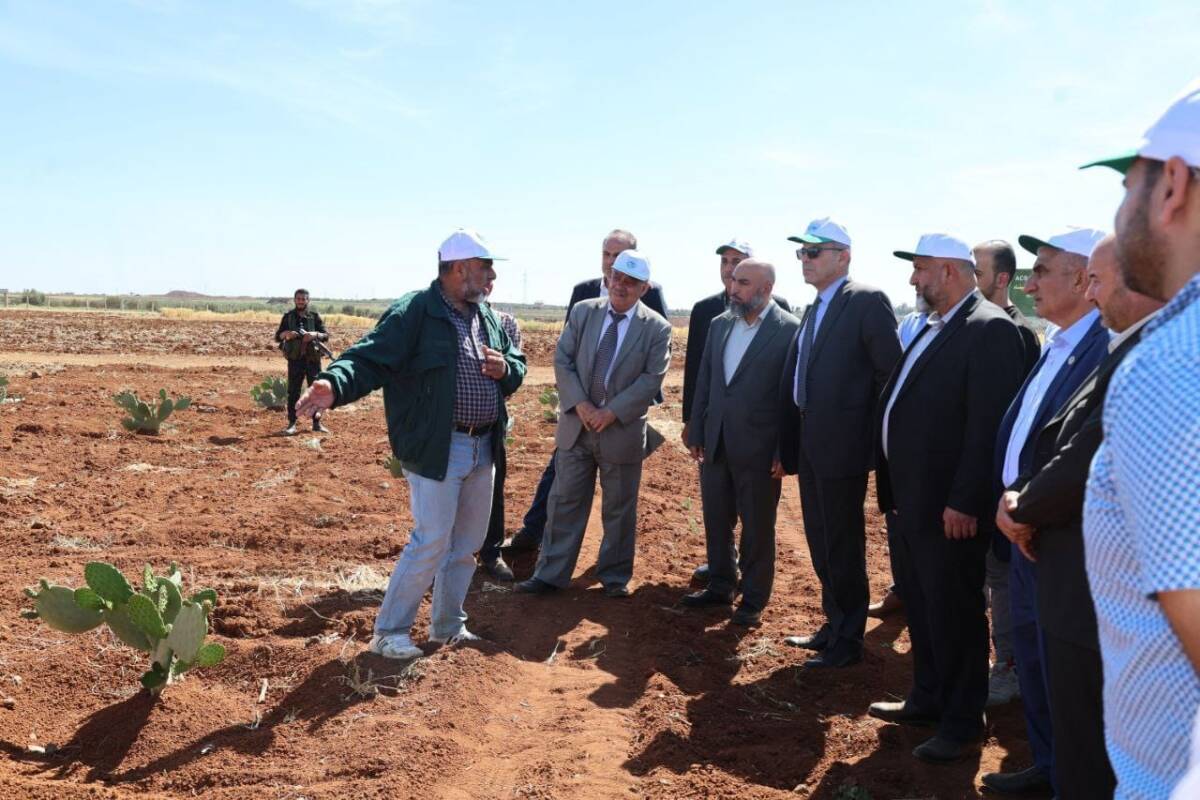
Farmers in Daraa are grappling with increasingly frequent and severe droughts that are undermining crop yields and threatening livelihoods. Some are experimenting with adaptation strategies such as switching to less water-intensive crops, reducing cultivated land, or relying on groundwater, though these options are costly and limited. Without sustained state support, investment in water management, and climate-resilient agricultural policies, farmers warn that adaptation alone may not be enough to secure the region’s agricultural future.
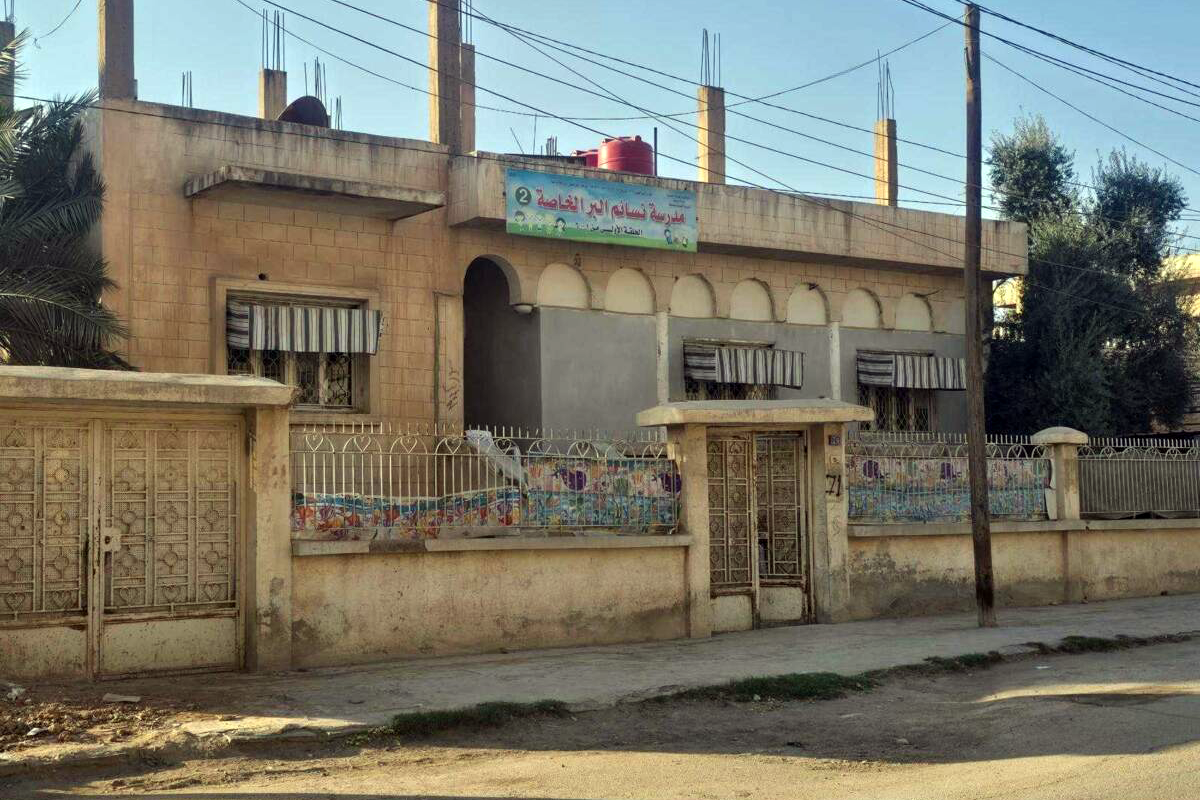
Education in northeastern Syria remains deeply contested, with disagreements between local authorities and communities over curricula, language of instruction, and political content in schools. Many parents and teachers worry that imposed curricula—particularly those emphasizing ideology—could undermine educational quality and students’ future prospects outside the region. As negotiations stall and parallel systems persist, students are left caught between competing authorities and an uncertain academic future.
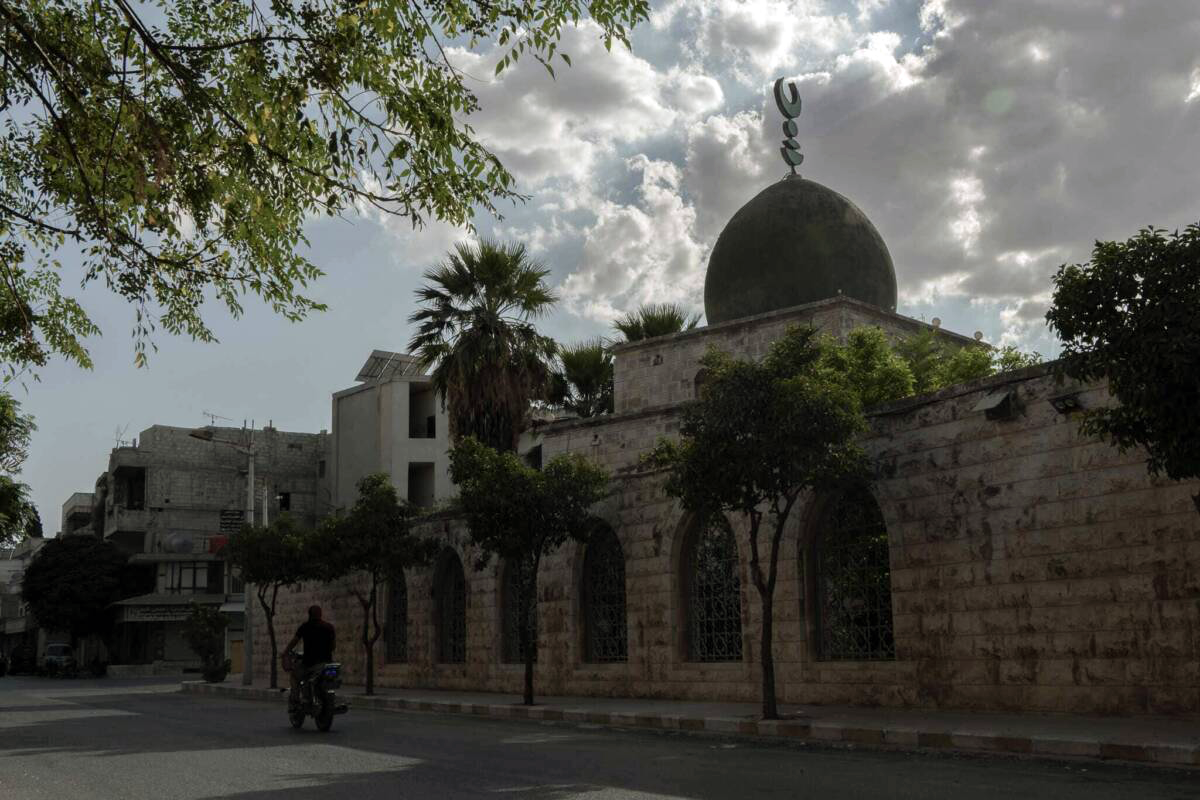
Salamiya, a Hama province city home to most of Syria’s Ismaili minority, has been a post-Assad “success story.” Community leaders and analysts emphasize the importance of dialogue and inclusive governance in ensuring communal harmony.