Ecology & Sustainability
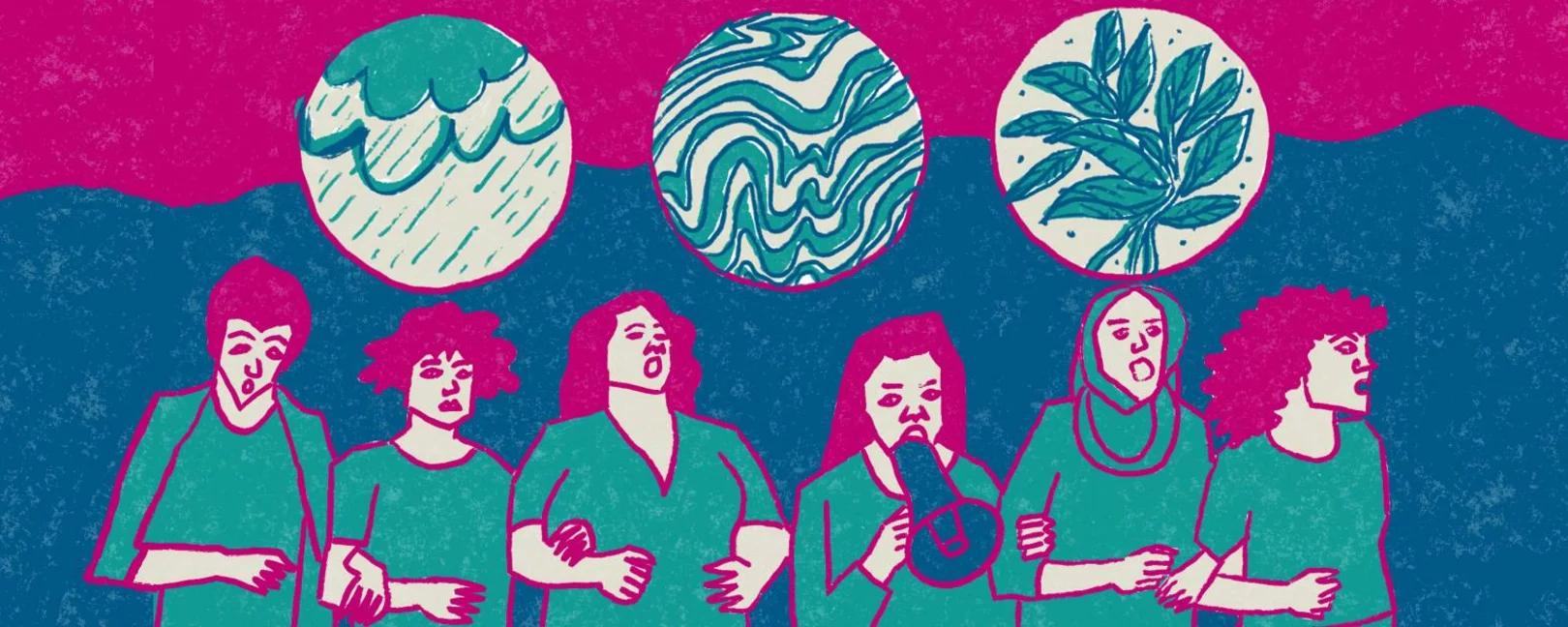
Ecology & Sustainability are a social movement and an analytical framework to address the unfair exposure of marginalized communities to the harms associated with resource extraction, hazardous waste, and other land uses.
But how does environmental and climate (in)justice manifest itself in the region? And how are the dominant economic and development models in Lebanon, Syria, and Iraq affecting future generations?
Pushing for sustainable development and a just transition is thus a question of justice: between current and future generations, between those who benefit and those who are affected by these practices, and between those who have the means to isolate themselves from their negative repercussions and those who have to endure the most of it.
The Ecology & Sustainability Program tries to put special emphasis on the issues of climate change and renewable energies, access to public resources, and the right to sustainable agriculture and a just international trade regime.

Open Calls
Practical details
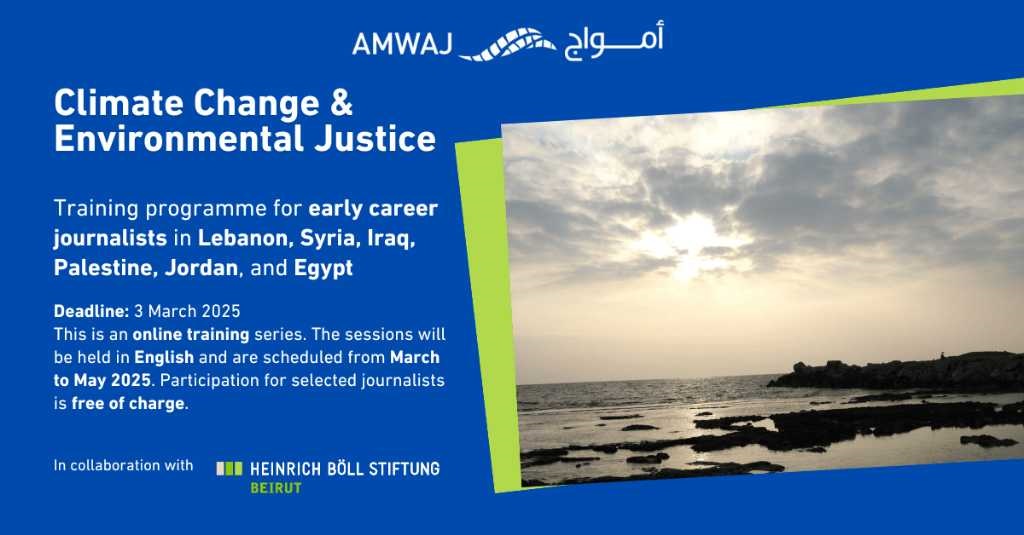
This is an online training series. The sessions will be held in English. Content can be submitted in Arabic or English.
Application Process Applicants can apply through the following application form.
Latest Articles


Projects
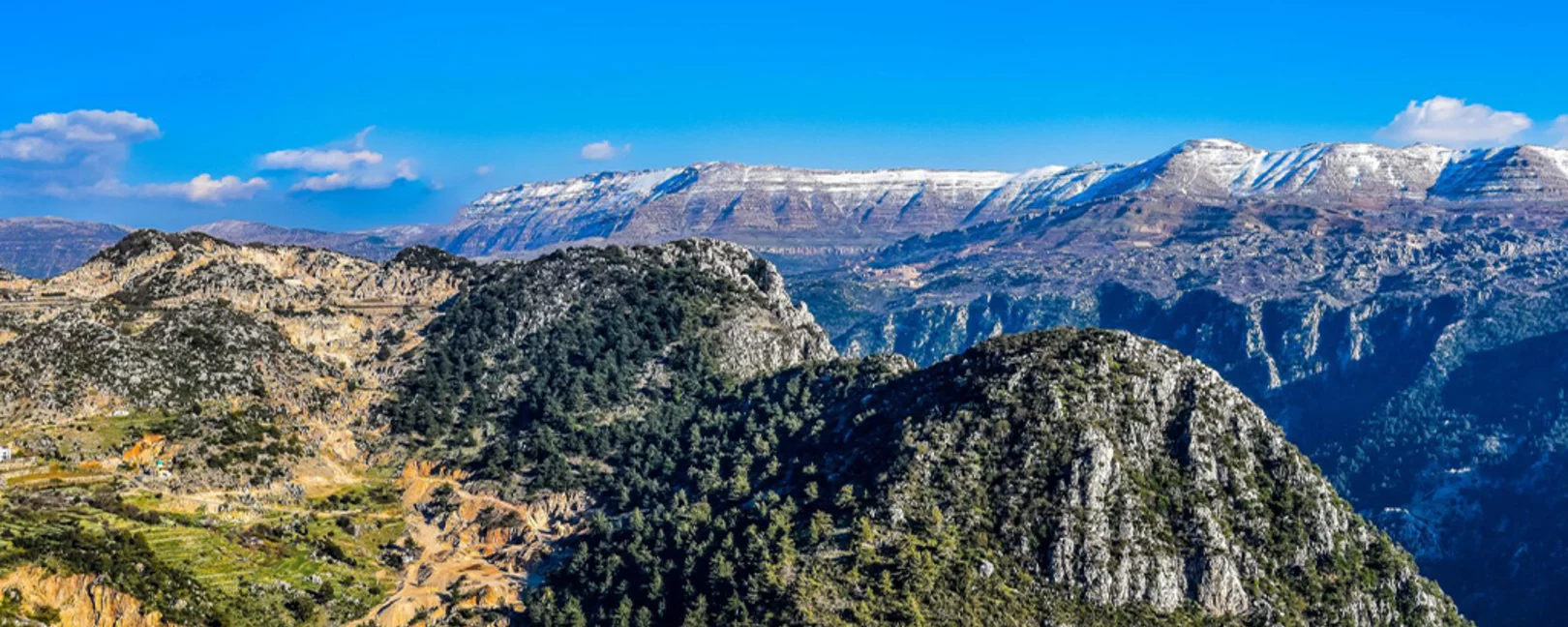
Stories that shed the light on urban expansion versus green spaces in Ajloun governate in Amman. Devastated impact of the 2024 full-scale Israeli war on land and water in the South of Lebanon and Beqaa. Poor regulation and illegal activity in Lebanon’s quarrying industry. The stone marble industry in Hebron and its burdens.
These stories are published by our partner AMWAJ
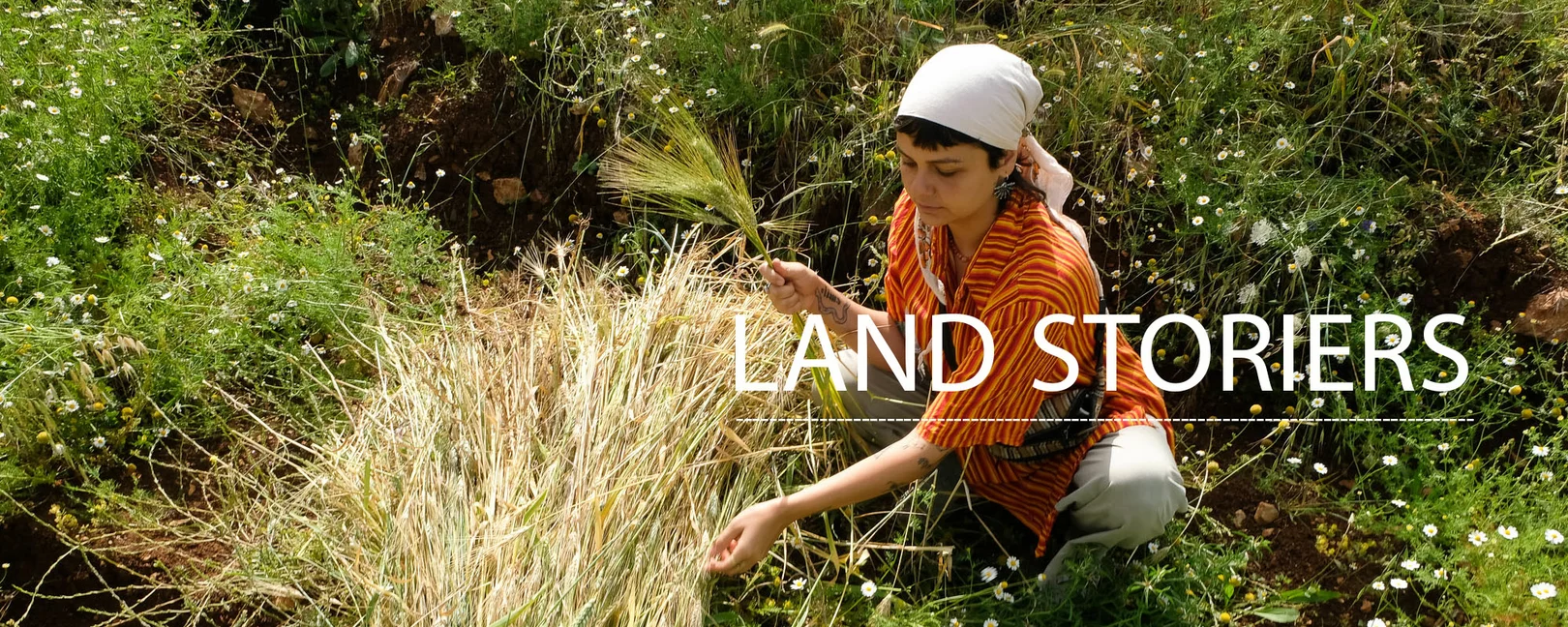
Imagine basil plants protecting tomatoes by repelling insects from it, and tomatoes returning the favor by having deep roots that preserve water, which then keeps the basil plants hydrated. This is one of the many cycles of nature that makes it all interconnected in an infinite chain of life. This might be the easiest way to explain how nature has always organized itself, taking advantage of the diversity of its species to ensure its survival.
Dossier
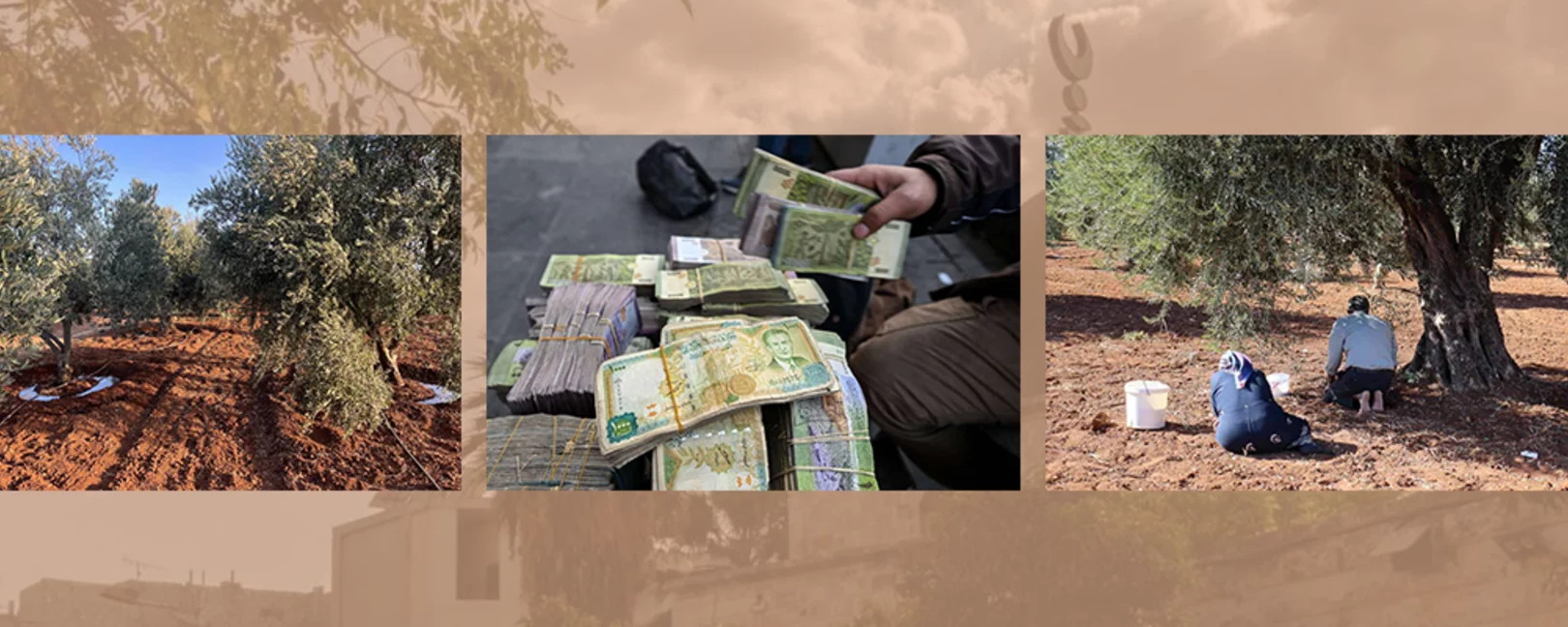
Articles by our partner Syria Direct tackles environmental concerns in Northern Syria, in Daraa and Afrin, as well the economic situation after the fall of Assad regime and the new currency that the current government is considering to issue. Another concern is the education sector in Northern Syria and disagreement on curricula. lastly, Salamiya, a Hama province city home to most of Syria’s Ismaili minority, has been a post-Assad “success story.” Community leaders and analysts emphasize the importance of dialogue and inclusive governance in ensuring communal harmony.
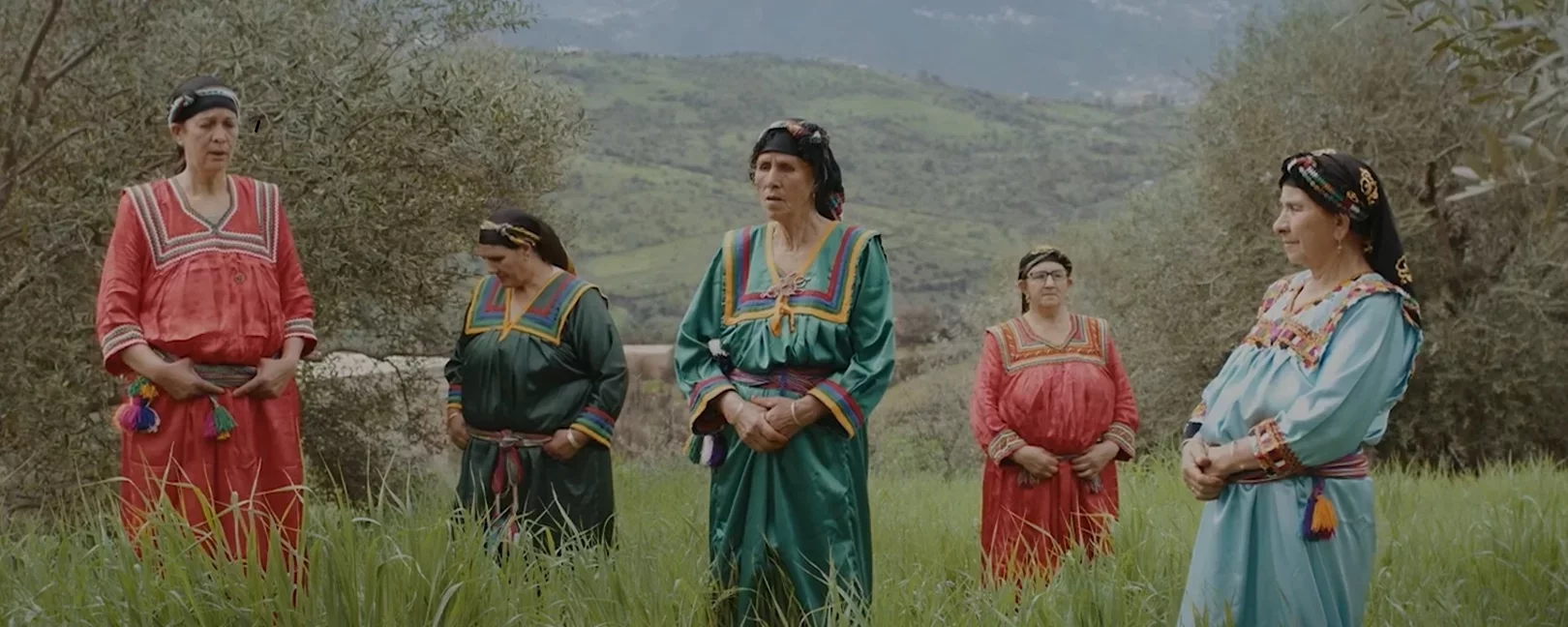
This dossier is a collaborative effort of Heinrich Böll Foundation offices worldwide to highlight the diversity of agroecological initiatives within our global network.
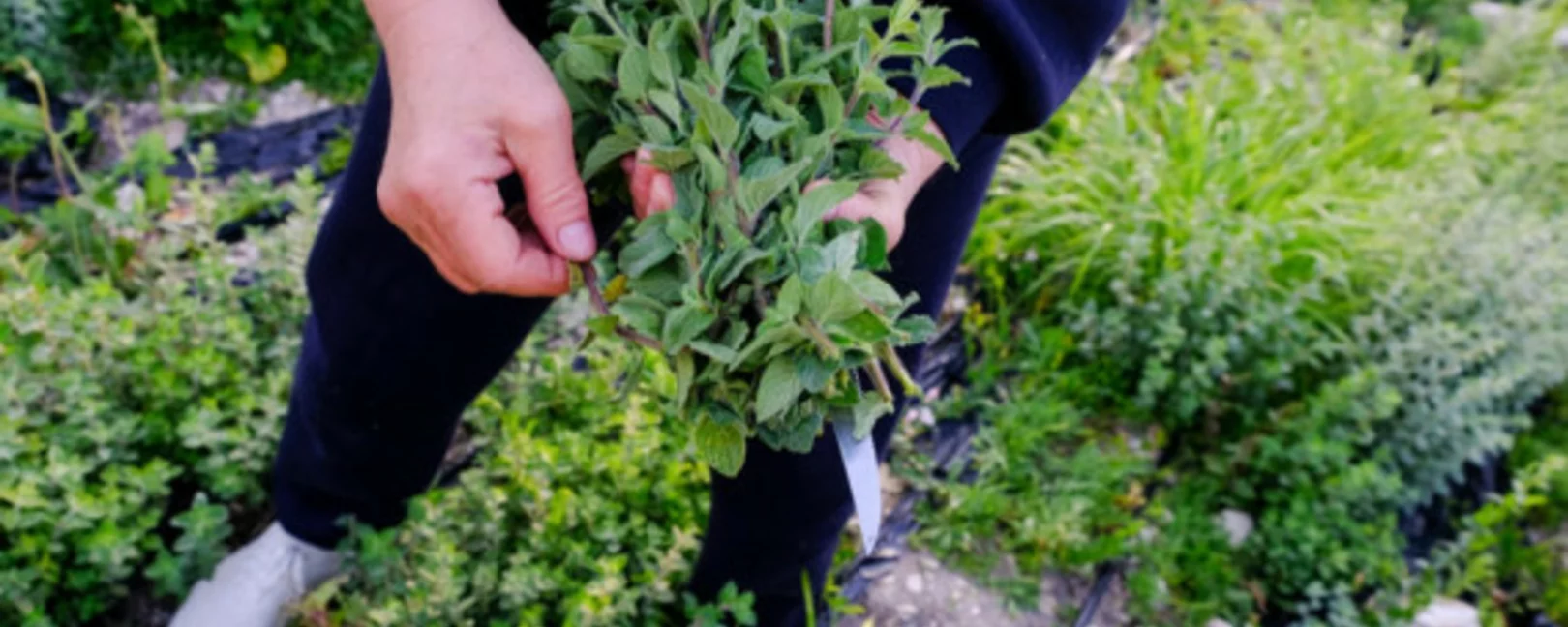
This dossier is produced by our partners Enab Baladi in cooperation with Heinrich Böll Foundation Middle East Office. It contains several articles that explains the layers of problems caused by the war and climate change in Syria and its short and long terms impact on the environment and economy.
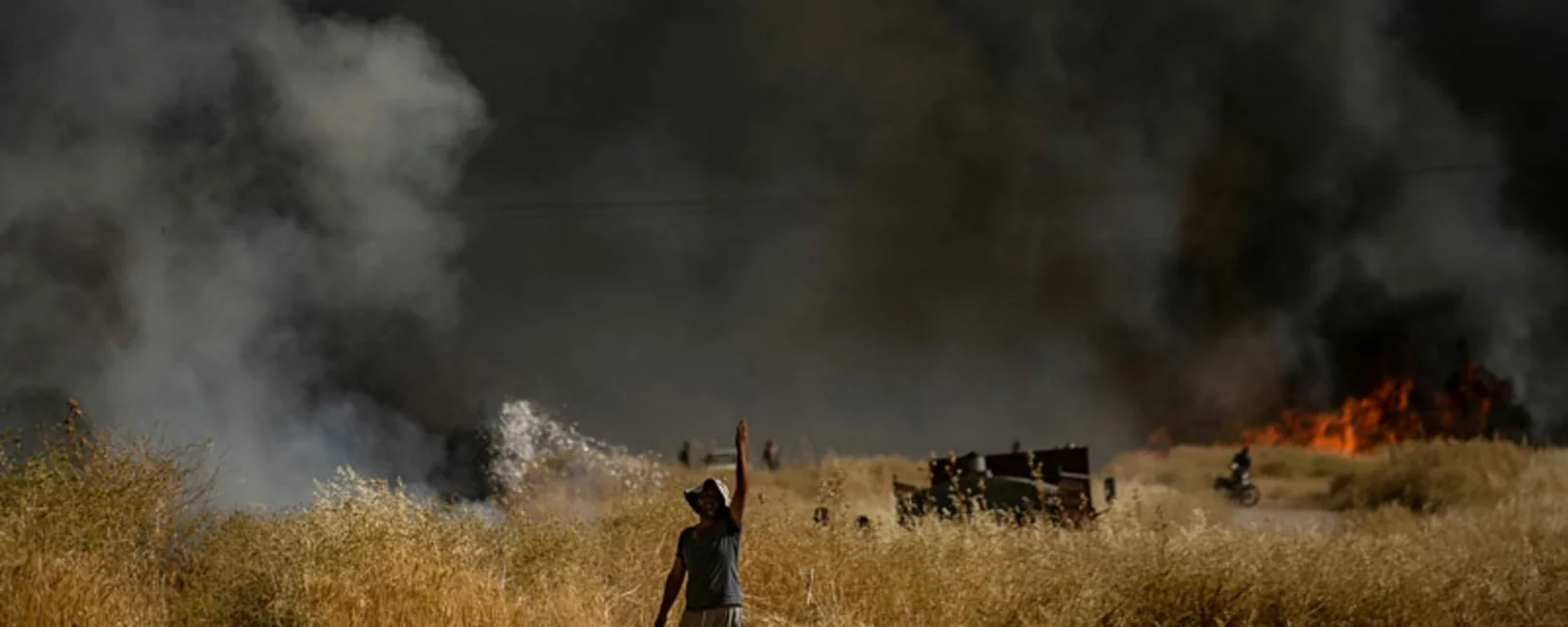
Climate change is arguably the biggest challenge we are facing this century. In our region alone, climate-related issues that have emerged over the past decades include water scarcity, land degradation, weather extremes, food insecurity, and conflict. Climate change and its ensuing effects are felt differently by various people based on gender, class, race, and national origin. Similarly, coping strategies towards the climate crisis vary according to the same factors.